Gas Leak Repairs in Spring Hill
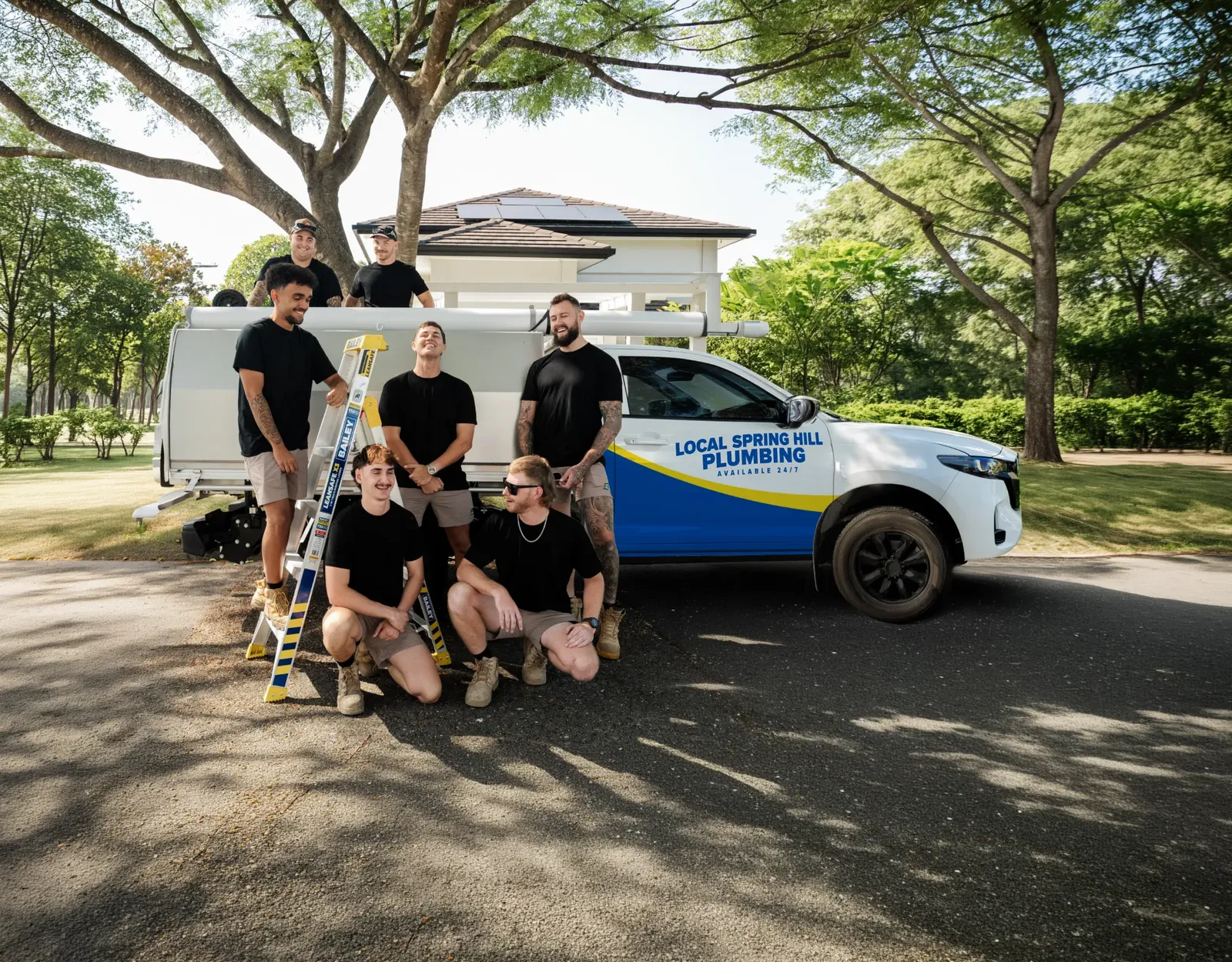
Queensland law puts every gas leak repair in Spring Hill in the hands of a licensed gasfitter, from the first test through to the final retest. Local Spring Hill Plumbing handles gas leaks across Spring Hill and the suburbs around it, alongside the wider gas fitting work we do, and we're available 24/7 with $0 call-out fees.
If we're late, $100 comes off your bill

- Licensed and InsuredEvery job done by a licensed plumber. QBCC No: 15024607
- Fixed Quote FirstFlat-rate pricing, agreed before any work starts
- Lifetime Labour WarrantyBacked by our Fix-It-or-It's-Free guarantee (T&Cs apply)
- $0 Call-Out FeesNo extra charge for nights, weekends or public holidays
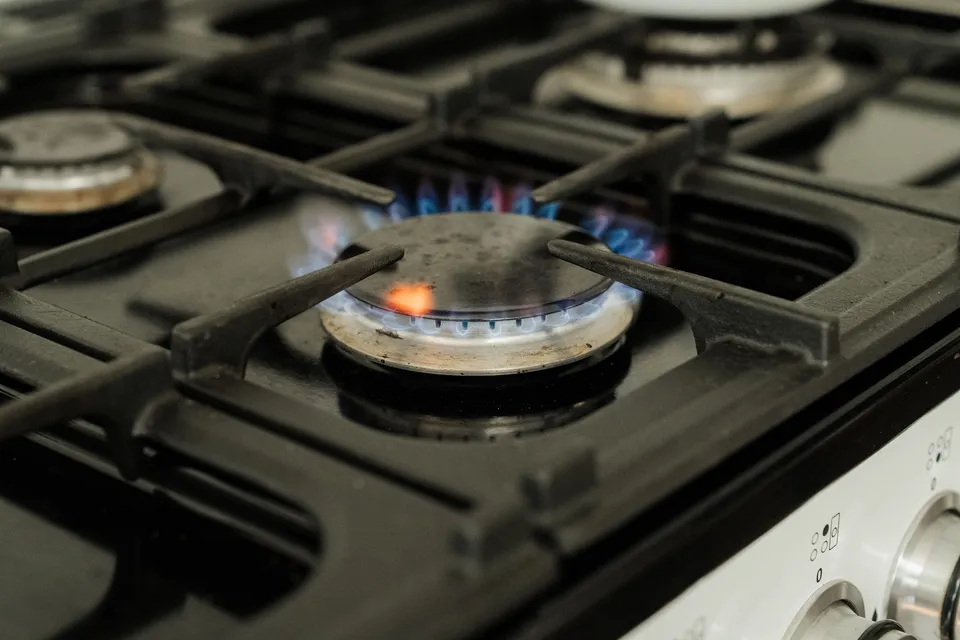
Fuel gas burns easily. A sealed space that fills with gas also loses the oxygen a person needs. A suspected leak always jumps the queue, and the safety steps come first.
How a Gas Fitter Finds the Leak
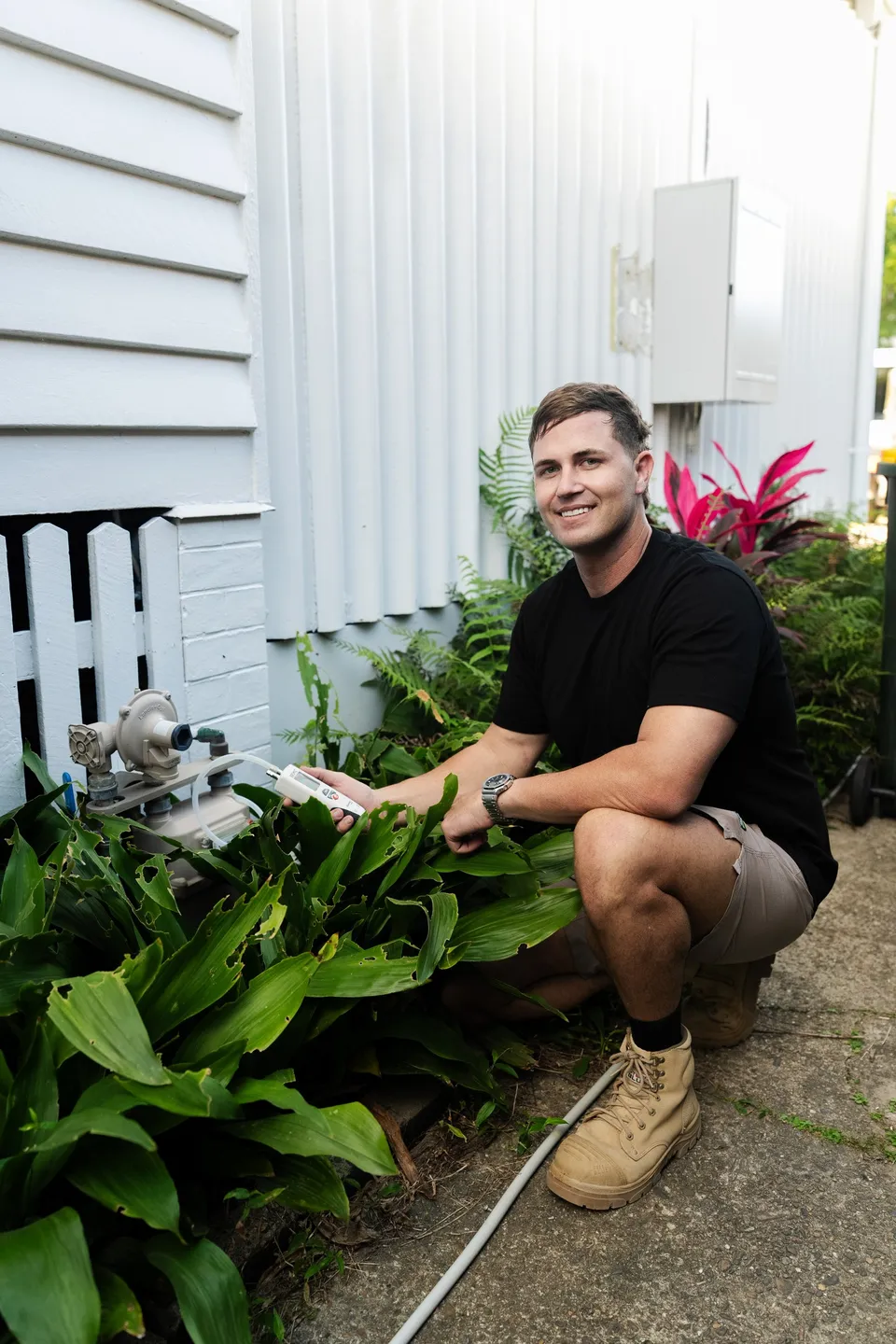
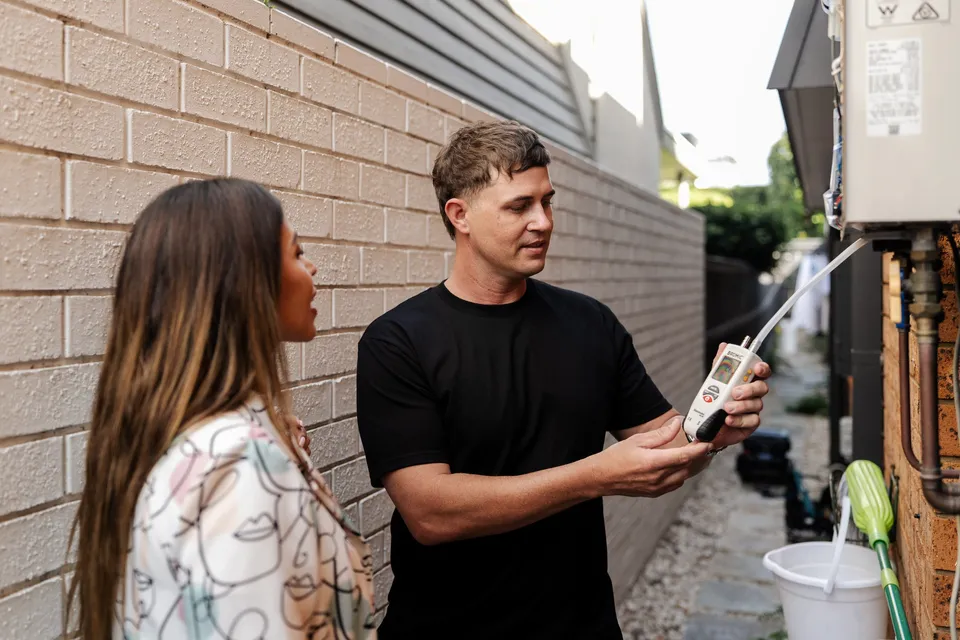
A licensed gasfitter finds the leak by isolating each stretch of pipework, pressure-testing every stretch, then brushing on detergent and water to spot bubbles at the escape point. A pressure test pumps air into a sealed stretch of pipe to see whether it holds. A stretch that holds pressure is cleared; a stretch that loses it carries the leak.
From there the hunt narrows:
- Isolate each stretch of pipework in turn, with the supply off.
- Pressure-test the stretch and record whether it holds.
- Brush a detergent-and-water solution over the fittings inside the failing stretch.
- Watch for bubbles, which mark the exact point of escape.
The Queensland Government permits one household check, done with the gas on. Lightly spray the soapy mix over the suspect fittings and watch for bubbling. Bubbles mean a leak: note the spot, shut the supply, leave the system alone, then ring a licensed gasfitter.
Repairing and testing a gas system are both gas work, so nothing past that check belongs at home.
Paperwork After a Gas Leak Repair
A defect notice, a compliance certificate and a retest can all follow this kind of job, and each has its own trigger.
Defect notice
the owner receives a written defect notice whenever a safety concern is not put right during the visit. Fixing the concern on the spot means no notice is needed.
Compliance certificate
work that adds to or changes the gas system is certified straight after completion. A like-for-like fitting swap may sit outside that requirement, so ask your gasfitter where your job falls.
Retest
whatever the paperwork, the repaired system is pressure-checked again before the supply returns.
Where the gasfitter finds an imminent risk, the sequence changes: the fault is secured first, then the network operator and Queensland's gas inspectorate are phoned right away. The full certificate rules, including who receives copies, sit on our gas compliance certificates page.
Replace a Fitting, a Section or the Run
The difference comes down to how much pipe the fault has taken: a single part gets swapped, an accessible stretch gets renewed, and a buried run gets new pipe around it. A licensed gasfitter sizes the repair to the fault, and three options cover almost every leak we meet:
Swap the part
a tired fitting or a failing regulator comes out and a new one goes in, which suits most single-point leaks.
Renew an accessible stretch
where corrosion has taken a length of pipe, the damaged stretch is cut out and replaced where a hand can reach it.
Bypass a buried run
where a leaking stretch sits inside a wall or under a floor, new pipe can be run around it rather than chasing the old line.
Every option ends the same way: the system is retested before the gas goes back into service. If the leak traces back to an appliance connection rather than the pipework, our gas cooktop installation page explains what a proper connection involves.

Fittings, Hoses and Joints That Let Gas Escape
Meter or cylinder connections, the regulator and hose, pipework joints and the appliance connection are the points along the supply line where gas most often escapes.
Meter or cylinder connections
the first fittings the gas passes through, and a common spot for a slow weep.
Regulator and hose
the flexible section that feeds the pipework, and a part that perishes with age.
Pipework joints
every join along the run is a potential escape point, especially where older work has been added to.
The appliance connection
the last fitting before the burner, which works loose through vibration and cleaning.
A safety check hunts for rust, wear and damage on the pipework and every appliance it feeds, because corrosion often sits behind these faults. The two fuels behave differently once loose: natural gas floats upward and disperses outdoors, while LPG is heavier than air and can settle in a basement, a drain or any low spot.
The ridge plays its part too. Streets fall away sharply from the crest, so gas and water fittings low on Turbot Street sit under more load than anything up near the ridge line, and tired joints downstairs tend to weep first.
How We Handle the Job
- 1

Describe the problem
Phone (07) 3523 6417 or fill in the form with what you're seeing in Spring Hill. The more we know, the better we can prepare.
- 2

We trace the leak on site
We shut the supply, isolate and pressure-test each stretch, mark the escape point, then repair or replace whatever failed before a full retest.
- 3
Agree on the price
A fixed quote comes before any work starts: flat-rate pricing, no hidden fees, and your go-ahead first.
- 4

Pay on completion
Card or EFTPOS on site when everything's working, or ask us about Fix now, pay later.
Plumbing job in Spring Hill?
$0 call-out fees, available 24/7, and same-day where we can.
Gas Leak Questions From Spring Hill
Call (07) 3523 6417Who do I call about a gas leak in Spring Hill?
Ring the gas supplier's emergency number, printed on your gas bill under the emergencies heading, or call a licensed gasfitter. If the smell is still there after the supply is off, call 000 straight away.
How long does a gas leak repair in Spring Hill take?
The time depends on where the leak sits, how the pipe is run, whether a regulator or hose is needed, and how long the retest takes. A fixed quote comes before any work starts, so you know the scope first.
Can I check for a gas leak with soapy water?
Yes, as a household check only. Spray soapy water over the suspect fittings with the gas on and watch for bubbles. Bubbles mean a leak, so switch the supply off, leave the system alone and call a licensed gasfitter for the repair.
Does LPG behave differently from natural gas in a leak?
Yes, natural gas rises and disperses in open air, while LPG sinks and can pool in low spots such as drains. Either fuel calls for the same response: shut the supply and bring in a licensed gasfitter.
What should I do about gas after a storm or flood?
If there is a gas smell after a storm, call 000. Where meters, regulators or cylinders have taken damage, contact the gas supplier as well, and have a licensed gasfitter check the system before it runs again.

Call Us About That Gas SmellWe'll call you back.
Phone (07) 3523 6417 for a licensed plumber in Spring Hill. We work under QBCC No: 15024607, with flat-rate pricing, no hidden fees and same-day where we can.
To claim your $0 call-out fee, call (07) 3523 6417 today.