Why Your Toilet Keeps Running
A running cistern wastes water around the clock, and the cause sits inside the tank nearly every time. When your toilet keeps running, one of three cistern parts has usually worn out or drifted out of adjustment.
If we're late, $100 comes off your bill

- Licensed and InsuredEvery job done by a licensed plumber. QBCC No: 15024607
- Fixed Quote FirstFlat-rate pricing, agreed before any work starts
- Lifetime Labour WarrantyBacked by our Fix-It-or-It's-Free guarantee (T&Cs apply)
- $0 Call-Out FeesNo extra charge for nights, weekends or public holidays
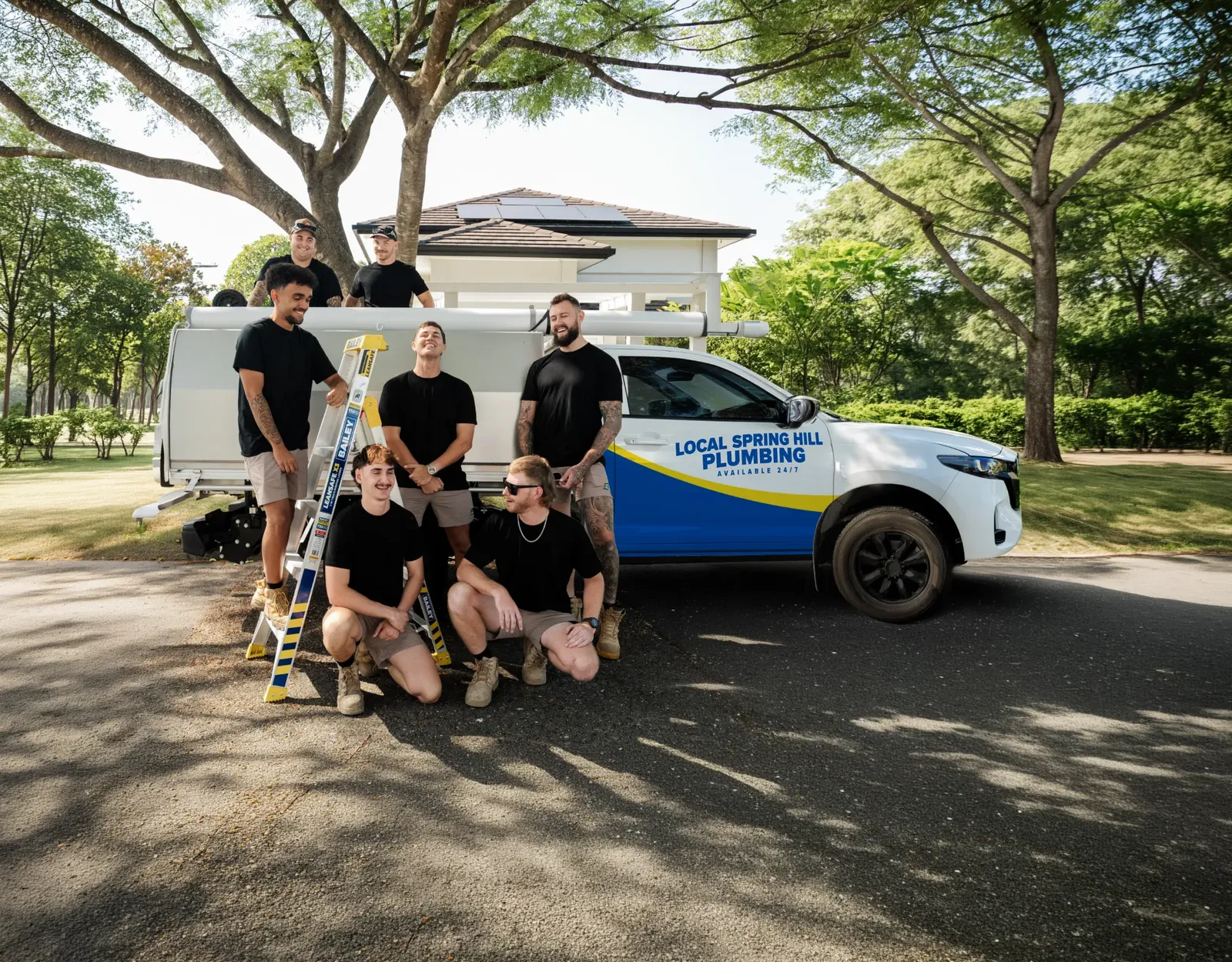
Homes around Spring Hill hold cisterns fitted anywhere from the 1960s through to the 2000s, so worn seals and tired valves turn up in converted cottages and flat blocks alike. This guide names the three causes, the dye test for a silent leak, and the cistern work reserved for a licensed plumber.
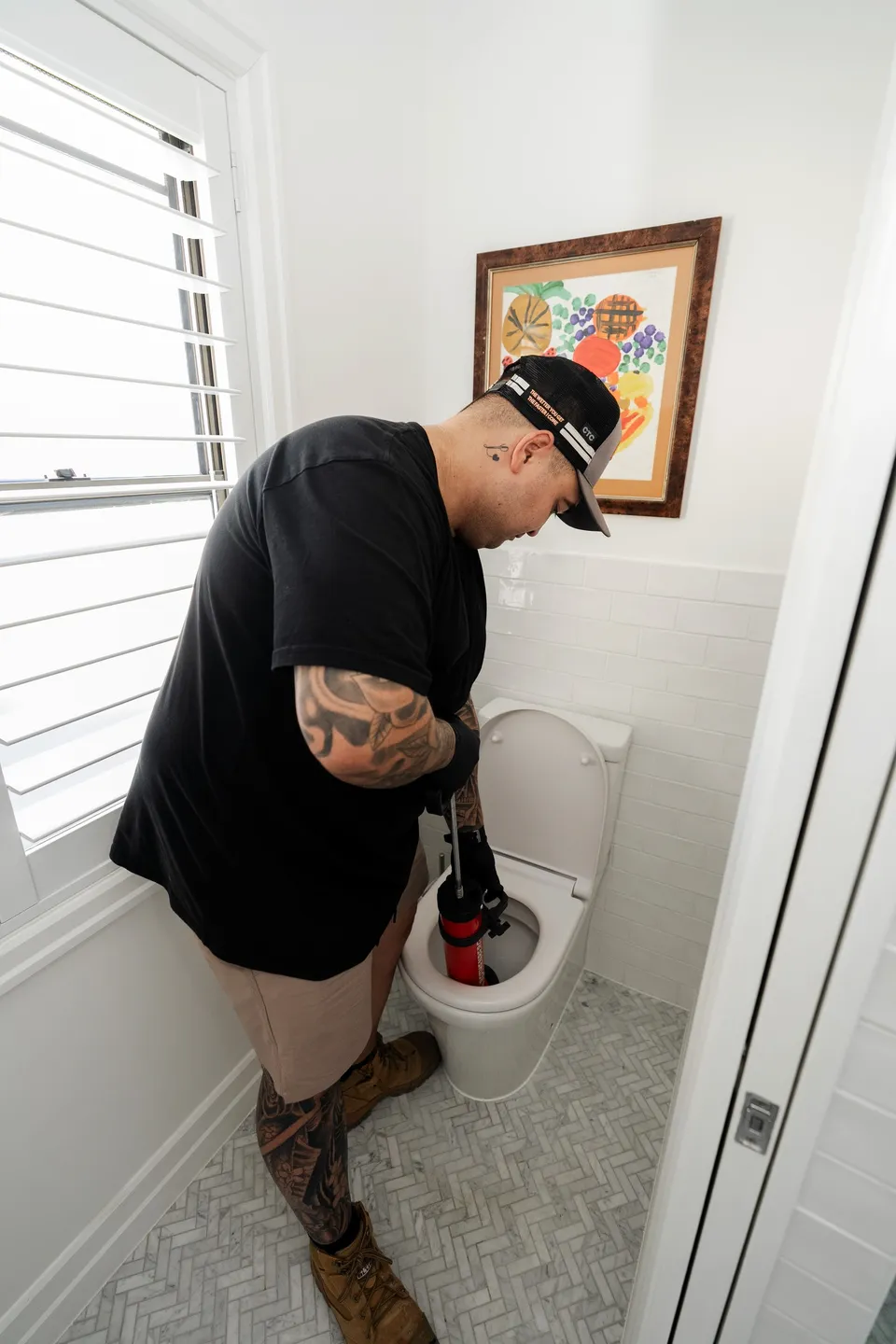
The Three Causes of a Running Toilet
Three faults explain a running cistern: an inlet valve that fails to close, an outlet valve seal leaking into the bowl, and a level high enough to spill into the overflow.
Each fault leaves its own signature:
A hiss or trickle carrying on after the cistern has refilled
signals an inlet valve that fails to shut off. The inlet valve refills the cistern after you flush and should stop once the float reaches its set level.
A cistern refilling by itself every so often, or water trickling down the back wall of the pan,
signals a worn outlet valve seal. The outlet valve holds the cistern's water between flushes; once the seal wears, the inlet valve keeps chasing the loss.
A drip from an overflow pipe outdoors
means the cistern is filling past its set level. The overflow works as a safety outlet, so the fault sits with the inlet valve or the float.
When the Cistern Will Not Fill
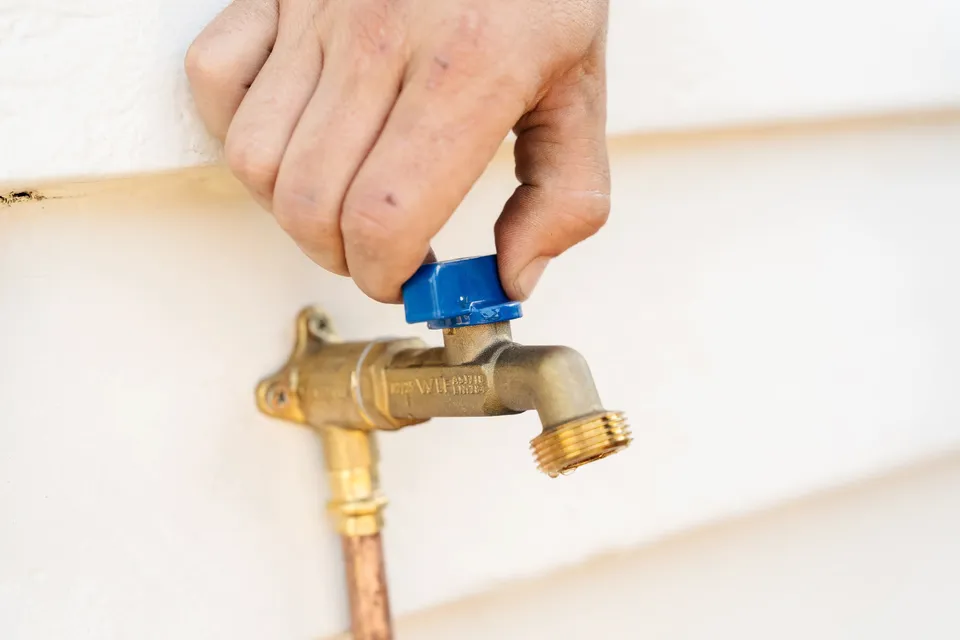
When the cistern will not fill, the usual suspects are a worn or gummed inlet valve, a float set below its mark, or a stop tap left half closed. Start with the stop tap, because a valve knocked half shut during other work looks exactly like valve failure.
There is a second pattern. If water runs steadily yet the level stays low, the outlet valve seal is letting water out at the same rate it arrives. The cistern is not failing to fill; it is failing to hold.
Census figures put most of the suburb's 2,733 homes in apartment blocks, so one tired cistern can run for weeks before anyone ties the sound to the bill.
What Colour in the Bowl Tells You
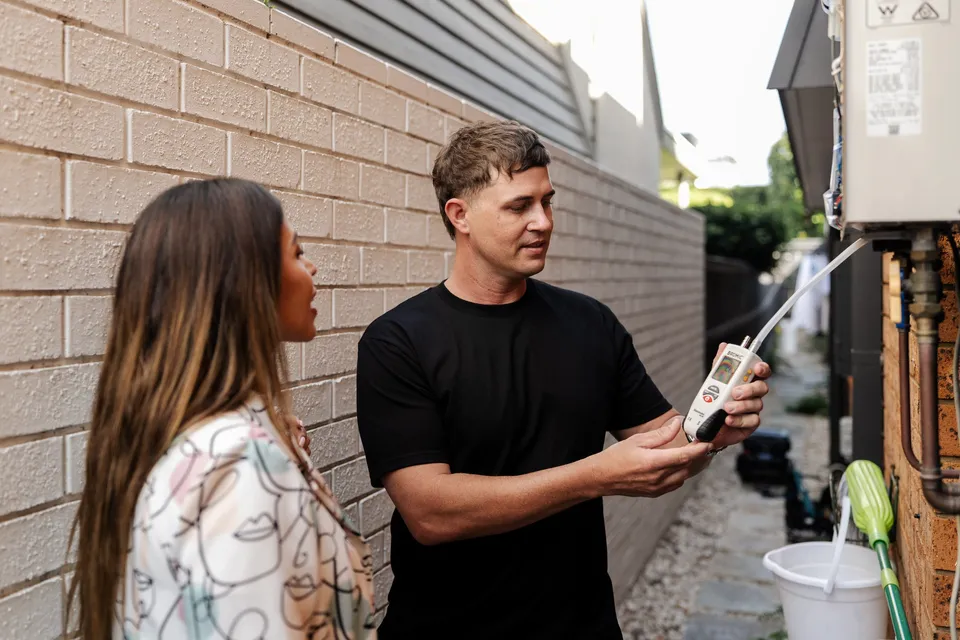
Run this test: add a little food colouring to the cistern, resist flushing, and wait. Colour reaching the bowl means the cistern is leaking into the pan, which points to the outlet valve seal.
Two follow-up points:
- Flush afterwards, because the colouring will not stain a ceramic bowl.
- If the bowl stays clear, the outlet valve is holding, so a plumber checks the inlet side and the water level next.
No colouring at home? Lay a dry strip of toilet paper at the back wall of the bowl, above the waterline; it should stay dry unless water is trickling down that wall.
The QBCC List of Unregulated Cistern Work
The QBCC exempts three cistern parts as unregulated work that a capable home owner may repair or replace:
- the float valve washer
- the drop valve washer
- the suction cup rubber
No licence, approval or report is needed for those three, though the finished job still has to meet the standard the plumbing code sets. Every other toilet repair ranks as regulated minor work for a QBCC licensee, with no permit and no paperwork required. Replacing an inlet valve, an outlet valve or a whole cistern is not a handyperson's job.
Rentals follow their own rules. Under the Residential Tenancies and Rooming Accommodation Act, the owner or manager has to keep the premises maintained, and the tenant has to report faults promptly. A repair the Act does not list as an emergency counts as routine, to be done in a reasonable timeframe.

Who Pays for Water a Cistern Wastes
No, Urban Utilities does not allow a concealed leak adjustment for water a cistern wastes. The adjustment is reserved for concealed underground leaks, so cisterns, taps and hot water systems all miss out.
The property owner is primarily responsible for leaks and for the losses they cause. Most homes here are rented rather than owned, so the bill for a running cistern usually lands with the owner, which makes a quick diagnosis worth everyone's while.
When to Call a Plumber
Ring a plumber when the dye test shows colour in the bowl, when the cistern refuses to fill, or when the hiss carries on after refilling. Our toilet repairs in Spring Hill page covers the full range of toilet work, from base leaks to full suite replacements.
The Queensland tenancy Act's emergency list covers a toilet that blocks or breaks, but a cistern that merely runs is not on it. The toilet keeps running until somebody fixes it, and the wasted water lands on an account either way.
Questions About Running Toilets
Call (07) 3523 6417Why is my toilet cistern not filling up?
A cistern that stays empty usually comes down to an inlet valve clogged or worn, a float riding too low, or a stop tap not fully open. If water keeps running but the level hardly rises, the outlet valve seal is probably letting water escape as quickly as it enters. A plumber can sort any of these on the spot.
How do I check my cistern for a silent leak?
Squeeze a little food colouring into your cistern, leave the toilet unflushed and wait. Colour reaching the bowl means the cistern is leaking, so flush once the test is done; the colouring cannot stain ceramic, but a silent leak like this still lands on your Urban Utilities bill. With no colouring at home, a dry strip of toilet paper laid at the back of the bowl should stay dry.
Can I fix a running toilet myself in Spring Hill?
Yes, but only for the three parts the QBCC exempts: the drop valve washer, the float valve washer and the suction cup rubber. All three count as unregulated work, though the finished job still has to meet the standard the plumbing code sets. Anything beyond those parts belongs to a licensed plumber.
Which toilet cistern parts can a home owner replace?
The QBCC's unregulated list names the float valve washer, the drop valve washer and the suction cup rubber. Anyone with the competence to do the job may swap them, with no licence needed, though the result still has to satisfy the plumbing code. Everything else inside a cistern needs a licensed plumber.

Talk to Us About That Running ToiletWe'll call you back.
Phone (07) 3523 6417 for a licensed plumber in Spring Hill. We work under QBCC No: 15024607, with flat-rate pricing, no hidden fees and same-day where we can.
To claim your $0 call-out fee, call (07) 3523 6417 today.