Tap Replacement in Spring Hill
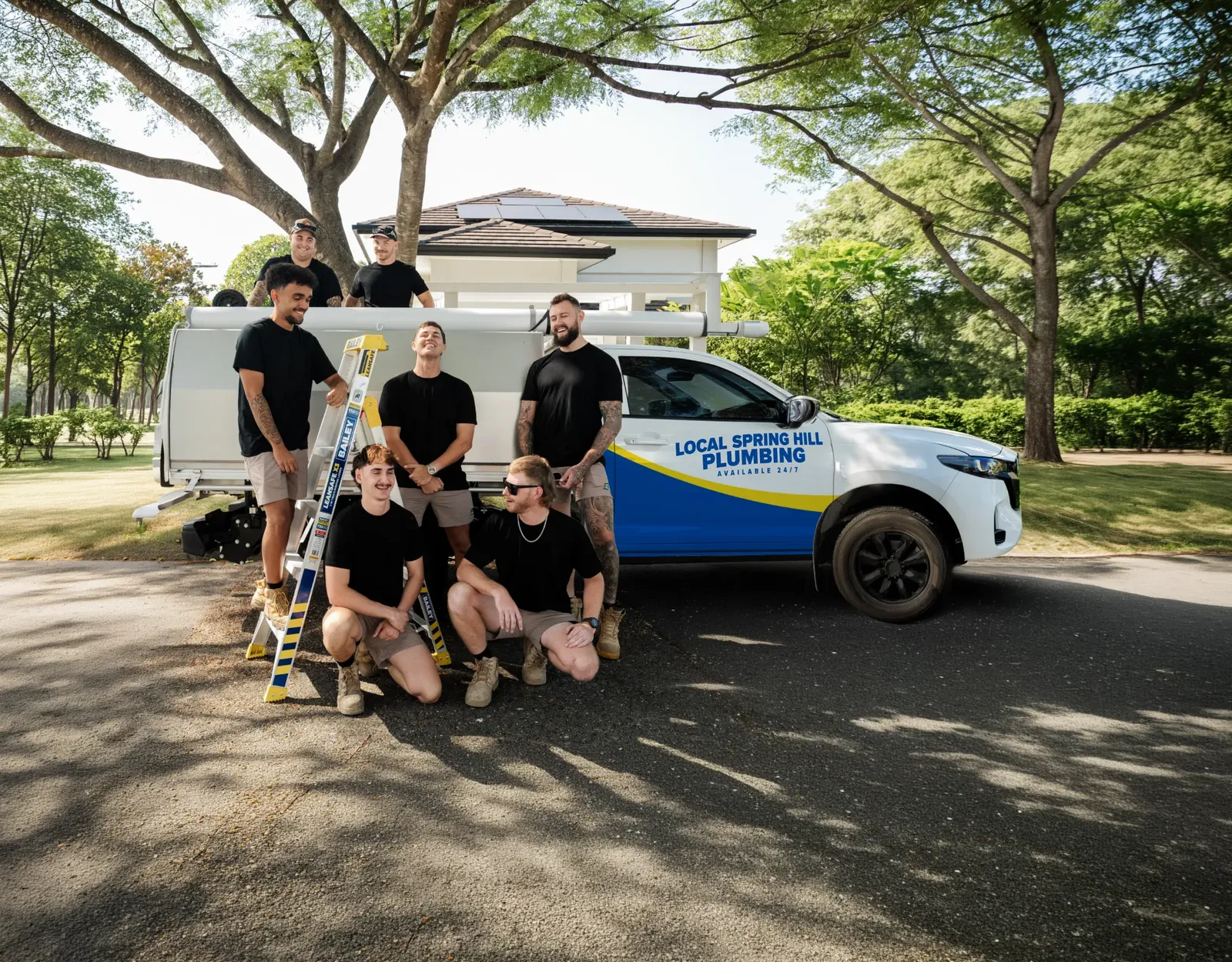
Swapping tired tapware for something fresh is one of the smallest jobs with the biggest daily payoff, and a tap replacement in Spring Hill is licensed work every time. Local Spring Hill Plumbing fits new taps with licensed plumbers across Spring Hill and the suburbs around it, from washer taps in converted cottages to mixers in refurbished walk-up flats.
If we're late, $100 comes off your bill

- Licensed and InsuredEvery job done by a licensed plumber. QBCC No: 15024607
- Fixed Quote FirstFlat-rate pricing, agreed before any work starts
- Lifetime Labour WarrantyBacked by our Fix-It-or-It's-Free guarantee (T&Cs apply)
- $0 Call-Out FeesNo extra charge for nights, weekends or public holidays
The right replacement has to suit what is already plumbed in. This page compares the two main styles, explains the licensing rules, decodes the box labels and covers the flow limit landlords need to know. Our tap and toilet services page lists the wider range of work we do.

Mixer Taps and Separate Taps Compared
A mixer blends hot and cold at a single spout, worked by one lever or a pair of handles; separate taps give each supply its own spout. Three things already in your sink or basin decide which one fits.
Holes
a mixer generally takes one; separate taps take two, spaced to suit the basin.
Mounting
a deck tap sits on the bench, while a wall tap feeds from pipes buried in the wall, so switching styles means opening the wall or altering the basin.
Supplies
the lines beneath, and any isolation valve on each, need to suit the new fitting.
An isolation valve closes water to one tap without shutting down the whole home, handy in a block where a single meter serves several flats.
Tap Washers, Whole Taps and the Licence Line
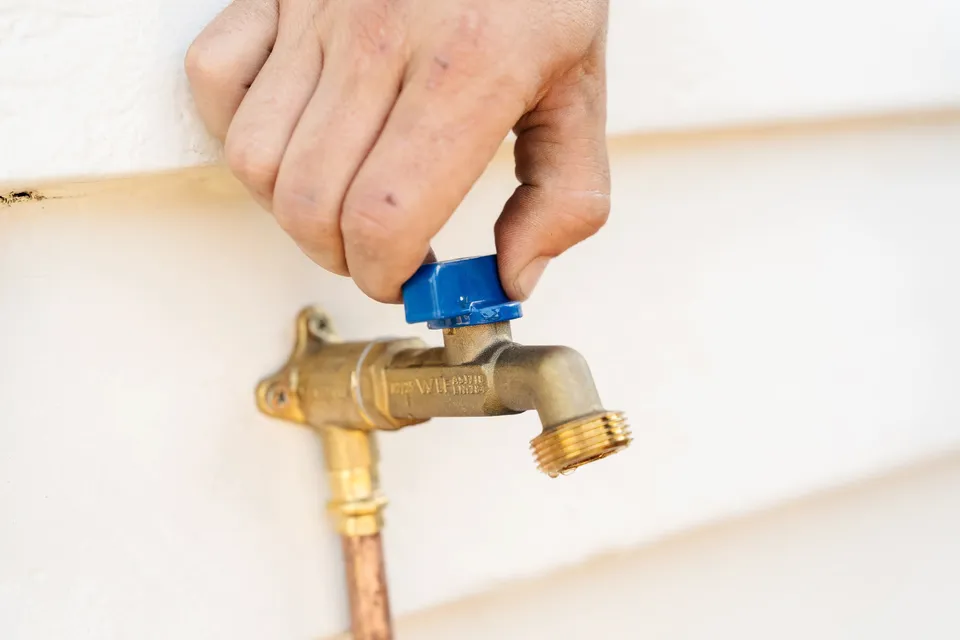
Queensland law puts a whole tap replacement in licensed hands. The QBCC's home owner guide names the swap as an example of work beyond the short list a householder may do alone. One tap task stays unregulated: renewing a jumper valve or washer, provided the finished job still meets the standards.
The paperwork then splits by the job itself:
A like-for-like swap
replacing an existing tap is minor work. A QBCC licensee does it, with no permit and no Form 4.
A tap going in somewhere new
adding an outlet, or shifting the old one, is notifiable work. No council permit applies, and the plumber tells the QBCC on a Form 4 within 10 business days of finishing.
Special cases
adding a fixture to a building whose drain is shared, or whose supply is dual reticulated, is permit work, so the plumber seeks local government approval first.
Renters have their own line to know. A tenant needs written approval from the owner or manager, on a Form 23, before attaching any fixture, and a reasonable request cannot be knocked back without cause.
A tenant who fits a tap without consent gives the owner or manager three choices. The owner or manager can call the change a breach and work through the dispute, accept it, or take the fitting out and pass the removal cost to the tenant.
Not every worn tap needs replacing: our tap repairs page covers the washer-and-cartridge call first. Toilet work booked for the same visit can be quoted together, and our toilet repairs page sets out what that covers.
What the Labels on a Tap Box Mean
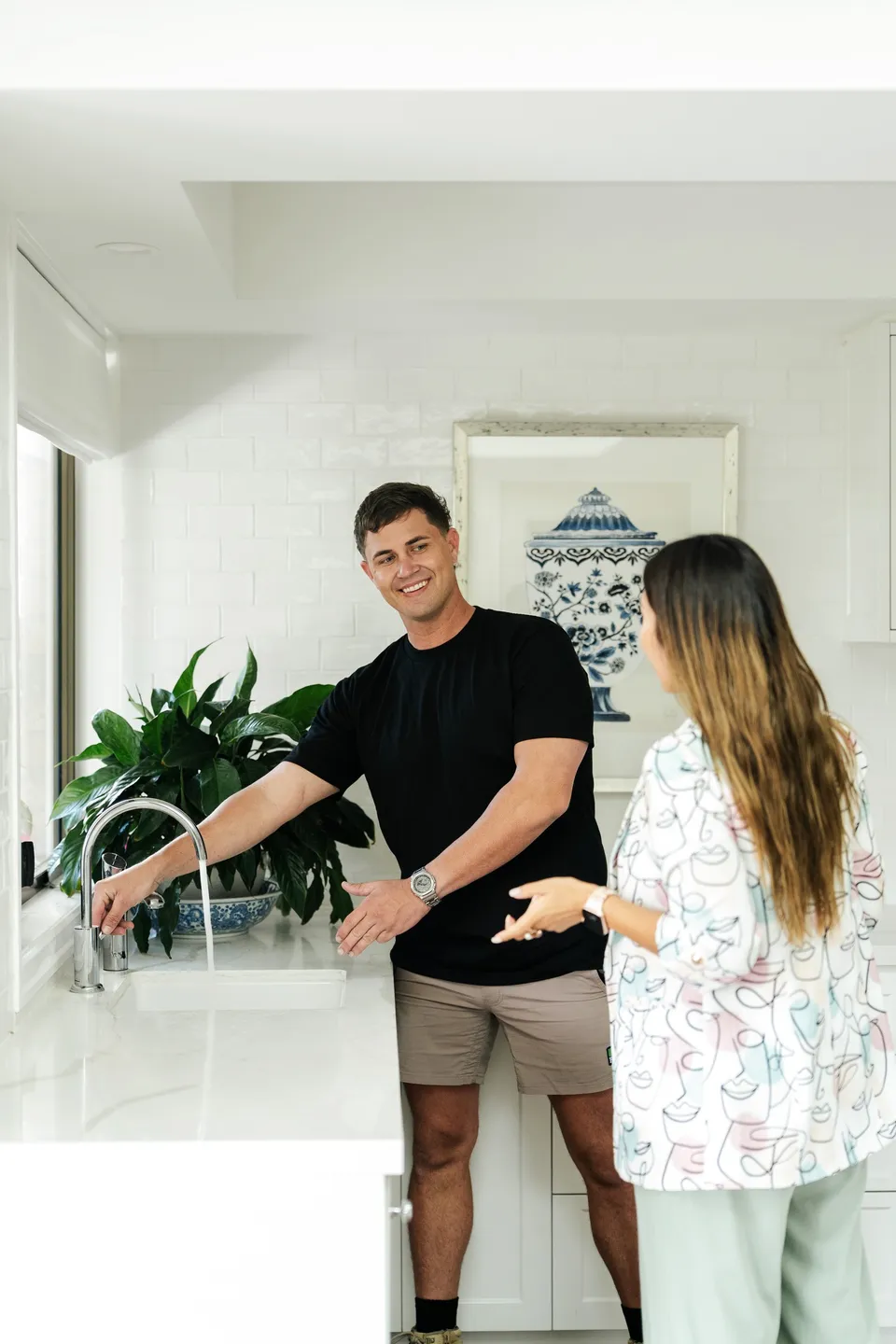
WaterMark certification is the mark showing a plumbing product meets the Plumbing Code of Australia's safety and fit-for-purpose requirements. WELS (Water Efficiency Labelling and Standards) registers a tap and publishes its star rating along with its water usage. A tap needs both marks before a licensed plumber may legally fit it, and the product has to display the WaterMark trademark and its WELS details.
Shopping online adds a check. The listing should carry the WaterMark trademark along with the product specification and licence number, plus a WELS entry with registration number, stars and water usage. Both databases can be searched by model name before you pay, and a seller can fill any gaps.
Business Queensland sets a 3-star WELS minimum for showerheads and tap fittings, and says the rule does not reach renovations.

What Changes the Price of a Tap Replacement
Five things drive the price: the tap type, reusable valves and connections, the holes, access beneath the basin, and how many taps you replace. A Form 4 fee applies when the tap is new or relocated; the contractor lodges it and can pass the cost to the owner.
We never guess a price over the phone. The plumber inspects, then a fixed quote locks the figure before tools come out, with flat-rate pricing and no hidden fees.
Access is the local variable. With most homes here rented at the last census, plenty of tap swaps happen between tenancies, when cupboards stand open and the clock is short. A cramped recess under a basin in a converted cottage near Rogers Street still takes longer than a clean refurbishment sink.

Tap Flow Limits for Rental Properties
Before an owner can pass a full water bill to a tenant, the Residential Tenancies Authority (RTA) requires the covered taps to run at 9 litres per minute or less. The limit reaches cold water taps inside the home plus single mixers, sitting over a hand basin, kitchen sink or laundry trough. The bathtub, the garden tap and supplies feeding appliances sit outside the limit.
Fixtures made from 2005 onwards should carry at least 3 WELS stars. Proof is worth keeping: the RTA suggests holding plumbing reports, compliance papers, receipts, packaging and instruction manuals for the taps. The wider charging rules sit on our rental property plumbing page.
How We Replace Your Tap
- 1

Describe the problem
Phone (07) 3523 6417 or fill in the form with what you're seeing in Spring Hill. The more we know, the better we can prepare.
- 2

We check the fitting on site
We measure the holes, confirm the mounting style, and check the supplies and isolation valves before you commit, so the tap you buy is the tap that fits.
- 3
Agree on the price
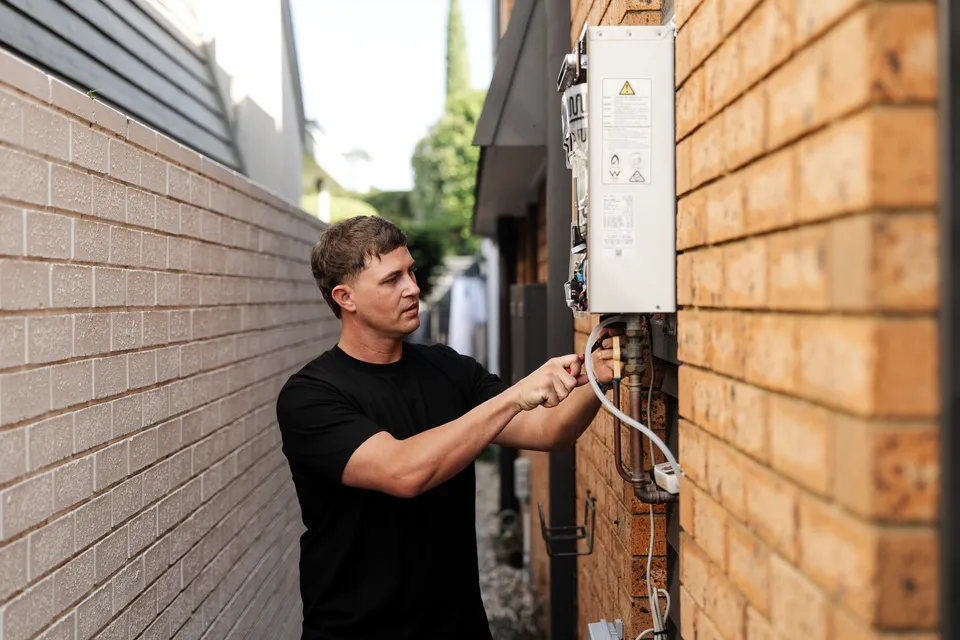
A fixed quote comes before any work starts: flat-rate pricing, no hidden fees, and your go-ahead first.
- 4

Pay on completion
Card or EFTPOS on site when everything's working, or ask us about Fix now, pay later.
Plumbing job in Spring Hill?
$0 call-out fees, available 24/7, and same-day where we can.
Tap Replacement Questions From Spring Hill
Call (07) 3523 6417Can I replace a tap myself in Spring Hill?
No, a whole tap swap is licensed work in Queensland. The QBCC's unregulated list keeps back one tap job: swapping a tap's internal washer or jumper valve, and even that must reach the standards.
What do WaterMark and WELS mean on a tap?
WaterMark certifies the tap against the national plumbing code's safety and fitness rules, and WELS registration records how many stars it carries and how much water it uses. A tap needs both before any licensed plumber fits it.
Does a tap replacement in Spring Hill need a permit or Form 4?
A straight swap is minor work, so the QBCC gets no paperwork at all. A tap in a new position is notifiable: no council permit, but the QBCC is notified on a Form 4 inside 10 business days. A home on a shared drain, or one with a dual reticulated supply, can need a permit.
What is the tap flow limit for rentals?
Before an owner can bill a tenant for the full water use, the covered taps have to run at no more than 9 litres per minute. The limit applies to internal cold taps and single mixers over a basin, sink or laundry tub; bath, garden and appliance taps are exempt.
What should a replacement tap match on my sink?
The new tap has to suit the count and size of the holes, whether it sits on the bench or comes off the wall, and the supplies underneath. The plumber checks the old fitting before you choose.

Call Us About Your New TapWe'll call you back.
Phone (07) 3523 6417 for a licensed plumber in Spring Hill. We work under QBCC No: 15024607, with flat-rate pricing, no hidden fees and same-day where we can.
To claim your $0 call-out fee, call (07) 3523 6417 today.